Our Story
Some places are more than destinations. They carry the memories of generations, the marks of history, and a vision for the future. What began as wartime land gradually became something far more extraordinary: a living sanctuary for healing, connection, and renewal.
From War time Land
To Living Sanctuary
Luminosium stands on a rare piece of living history. Once part of a World War II British transit camp that supported the defence route between Colombo and Kandy, this land has witnessed remarkable transformation. After the war, it passed through several hands before being reimagined by Peter Kahandawa and Ranmenika Danansooriya as a place of abundance, beauty, and possibility. Across three generations, a former coconut estate evolved into a thriving multi-layered forest garden, where biodiversity, water, food, wildlife, and human wellbeing exist in harmony. Today, that journey continues as Luminosium, a sanctuary for rest, connection, and renewaText content.
A Land Shaped
by History
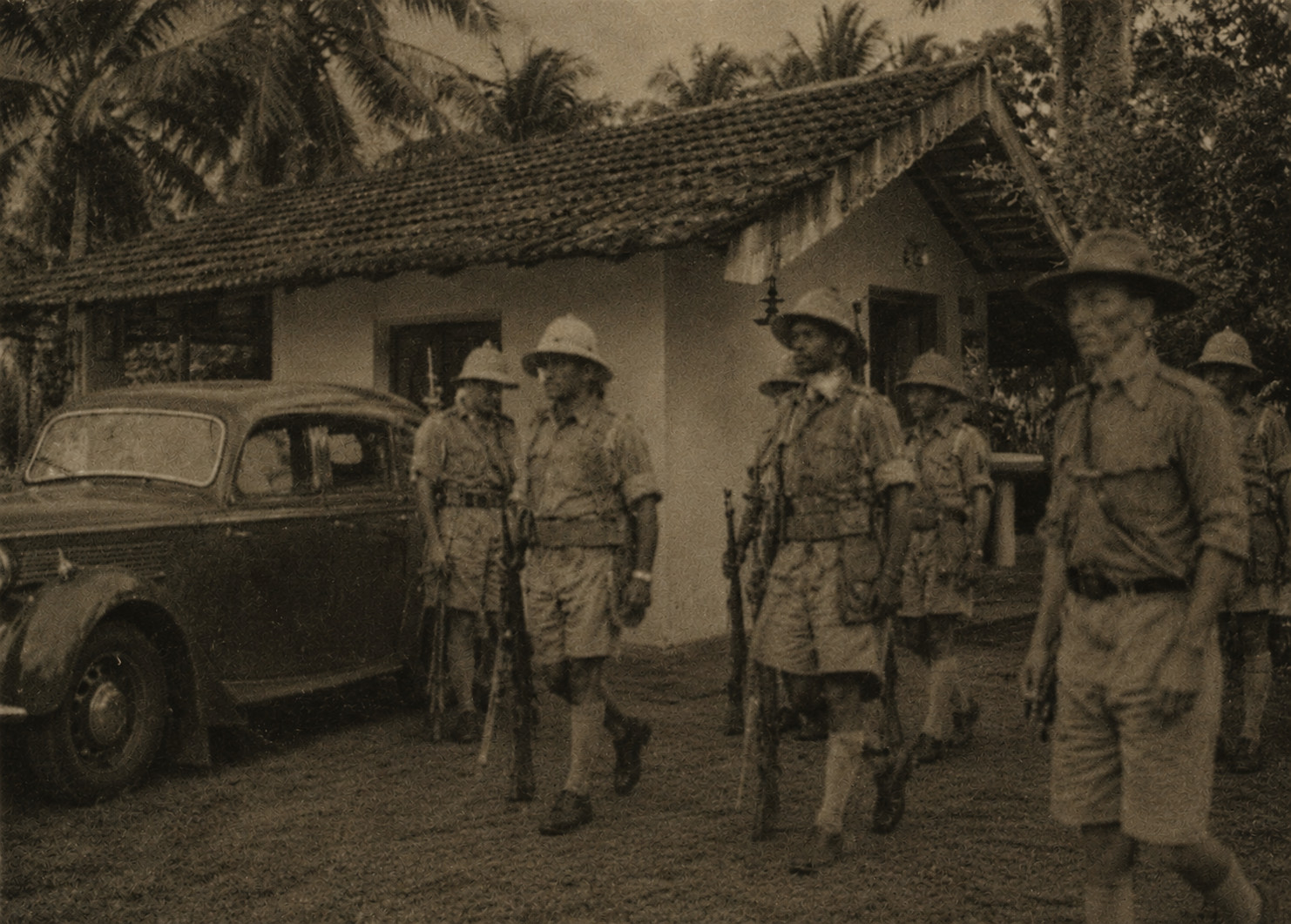
Long before Luminosium became a forest garden, this land played a small but fascinating role in one of the defining events of the twentieth century. During World War II, the British military established a temporary transit and jungle warfare training camp on what was then part of the Thelemmehera Estate coconut plantation near Pannala. At a time when Ceylon served as a vital logistics and training hub for Admiral Lord Louis Mountbatten’s South East Asia Command, military personnel and supplies moved along strategic routes connecting Colombo with the central highlands and beyond.
The camp was used to accommodate and prepare troops for operations in Burma and other theatres of the war. Among those stationed here were soldiers of the East African Brigade, alongside Indian, British, and other Commonwealth forces. These troops underwent tropical and jungle warfare training before deployment to some of the most demanding battlefields of the region. The surrounding area also supported military personnel from units such as the Ceylon Planters Rifle Corps, which contributed officers and local expertise to the wider British war effort.
Although the camp itself disappeared after the war, traces of its presence remain woven into the landscape. A series of bathing wells, once used by soldiers stationed here, can still be found within and around the property. These quiet remnants offer a rare connection to a period when people from Africa, Asia, Europe, and beyond gathered on this land during a moment of global uncertainty.
Today, little remains of the wider camp that once stretched across the surrounding estate. Most of the land has long since changed ownership, been developed, or returned to agriculture. Yet this small corner endured. Protected and reshaped over generations, it evolved from wartime land into a thriving forest garden. The echoes of history remain, not as monuments or museums, but as part of a living landscape where nature, memory, and renewal continue to coexist.
A Dream Beyond
Coconut
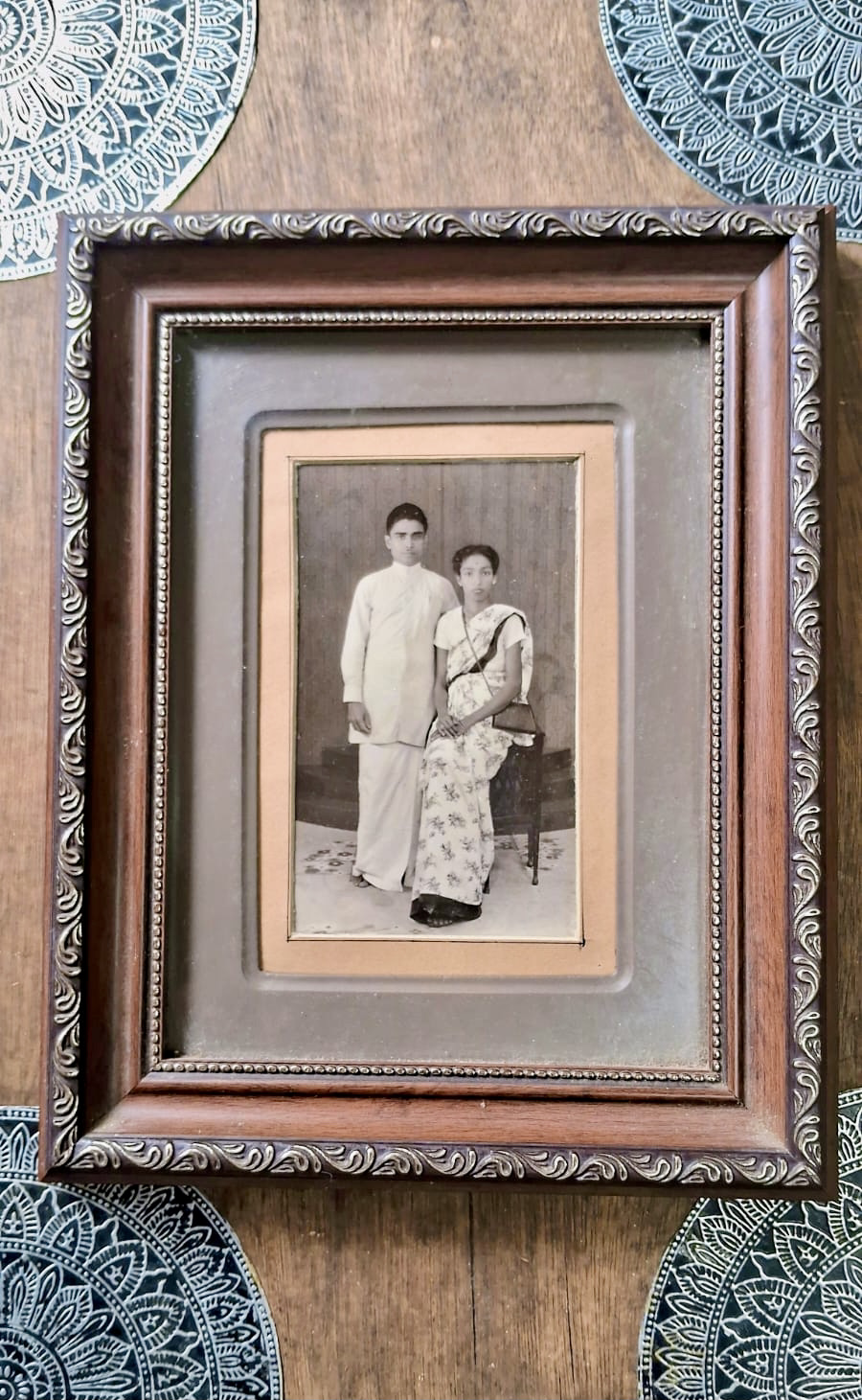
The next chapter of this land began in the early 1970s, following Sri Lanka’s land reforms, which transformed the ownership of many large estates across the country. When the former coconut plantation was divided, Peter Kahandawa and Ranmenika Danansooriya acquired the largest remaining portion, believing it could become something far greater than a conventional estate.
Peter was driven by an entrepreneurial spirit. At a time when Sri Lanka was searching for new industries and export opportunities, he envisioned creating value from agricultural resources that were often overlooked. Among his ambitions was the production of activated carbon from coconut shells, transforming a common agricultural by-product into a valuable industrial material. He saw the land not simply as property, but as a platform for innovation, enterprise, and long-term opportunity.
Ranmenika brought a different but equally important vision. Having grown up with Sri Lanka’s traditional home garden culture, she believed true abundance came from diversity rather than dependence on a single crop. While much of the surrounding landscape remained dominated by coconut cultivation, she began introducing fruit trees, medicinal plants, spices, flowering species, and aesthetic elements that reflected the richness of village life. Her goal was not only productivity, but also beauty, resilience, and harmony with nature.
Their plans, however, faced unexpected challenges. A significant portion of the land became the subject of a prolonged ownership dispute, requiring years of legal battles to defend what they believed was rightfully theirs. The struggle consumed much of Peter’s time, energy, and resources, diverting attention from many of the entrepreneurial ambitions he had hoped to pursue. Yet despite these setbacks, the family’s commitment to the land never disappeared.
While some dreams were delayed, the garden itself continued to grow. Trees matured, biodiversity increased, and new layers of life gradually replaced the uniformity of the former plantation. What began as a vision to move beyond monoculture became the foundation of a living ecosystem that would continue evolving through future generations.
The Garden Maker
Ranmenika’s Legacy
Water, Rice
& Regeneration
As the garden matured, a new generation began shaping its future. Building on the foundations established by Peter and Ranmenika, their son Gamini Kahandwa brought a practical understanding of how land, water, and living systems work together. While the garden had already become more diverse, he recognised that long-term abundance depended on something even more fundamental: water.
Rather than allowing seasonal rainfall to leave the property quickly, Gamini focused on slowing it down, storing it, and putting it to work throughout the landscape. Over the years, small ponds, waterways, and water-retention features were introduced and expanded, helping to capture rainwater, recharge the soil, and create habitats for wildlife. These water systems transformed the way the land functioned, increasing resilience during dry periods while supporting life throughout the year.
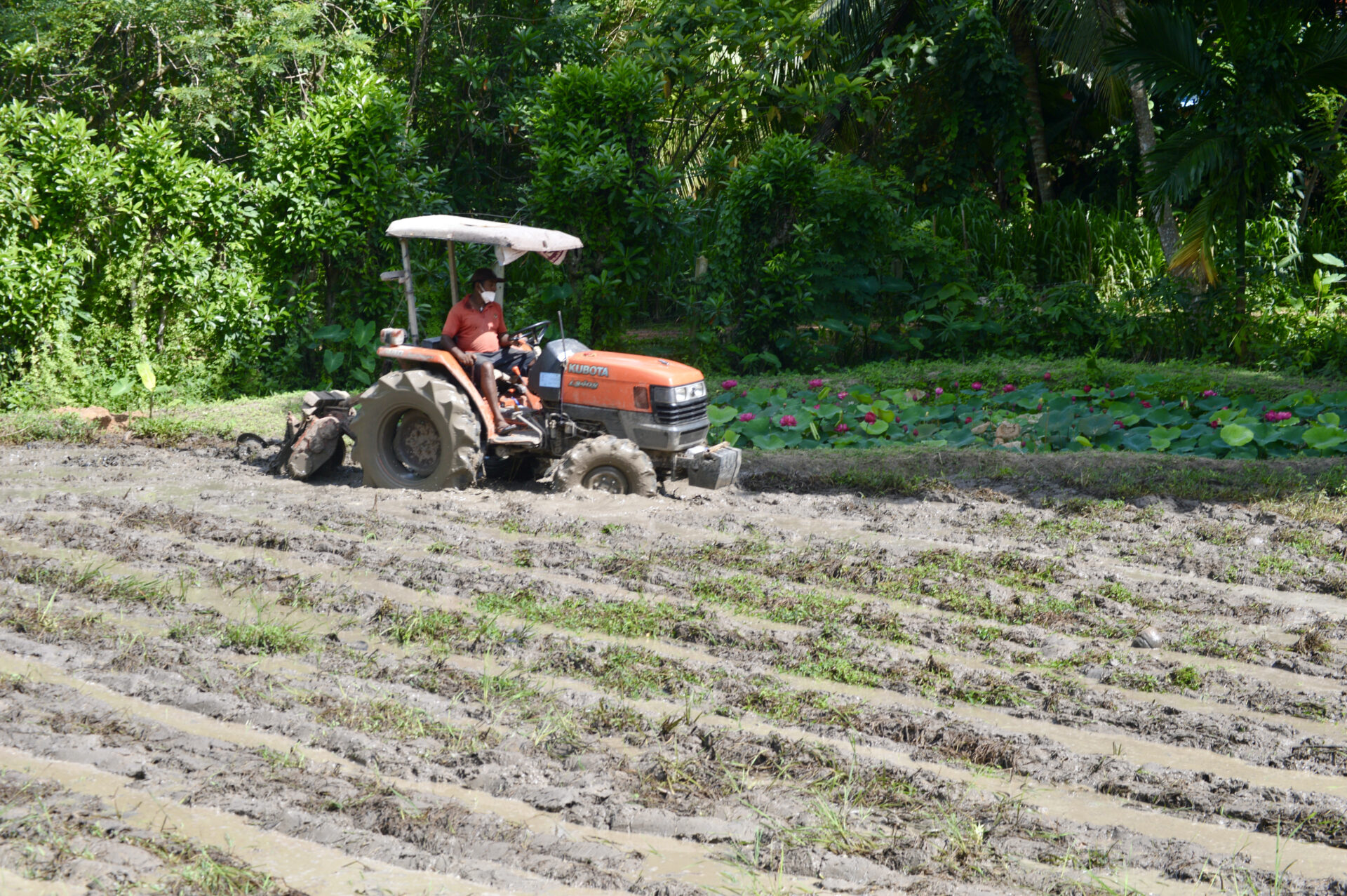
He also reintroduced rice cultivation to parts of the property, creating a closer connection between food production, water management, and ecological balance. The paddy fields became more than a source of rice. They served as seasonal wetlands that supported birds, amphibians, beneficial insects, and countless other species. Together with ponds, trees, and surrounding vegetation, they formed an integrated landscape where different elements strengthened one another.
Gamini believed that a productive landscape should regenerate rather than deplete. Organic matter was returned to the soil, water was conserved wherever possible, and natural processes were encouraged to do much of the work. Over time, soil fertility improved, biodiversity increased, and the garden became more capable of supporting itself with fewer external inputs.
Many of the features guests enjoy today are a result of this period of regeneration. The reflective ponds, thriving birdlife, seasonal paddy fields, and cooler microclimates all owe something to the vision of managing the land as a connected ecosystem rather than a collection of separate activities.
The Forest Garden
Evolution
The Birth of
Luminosium
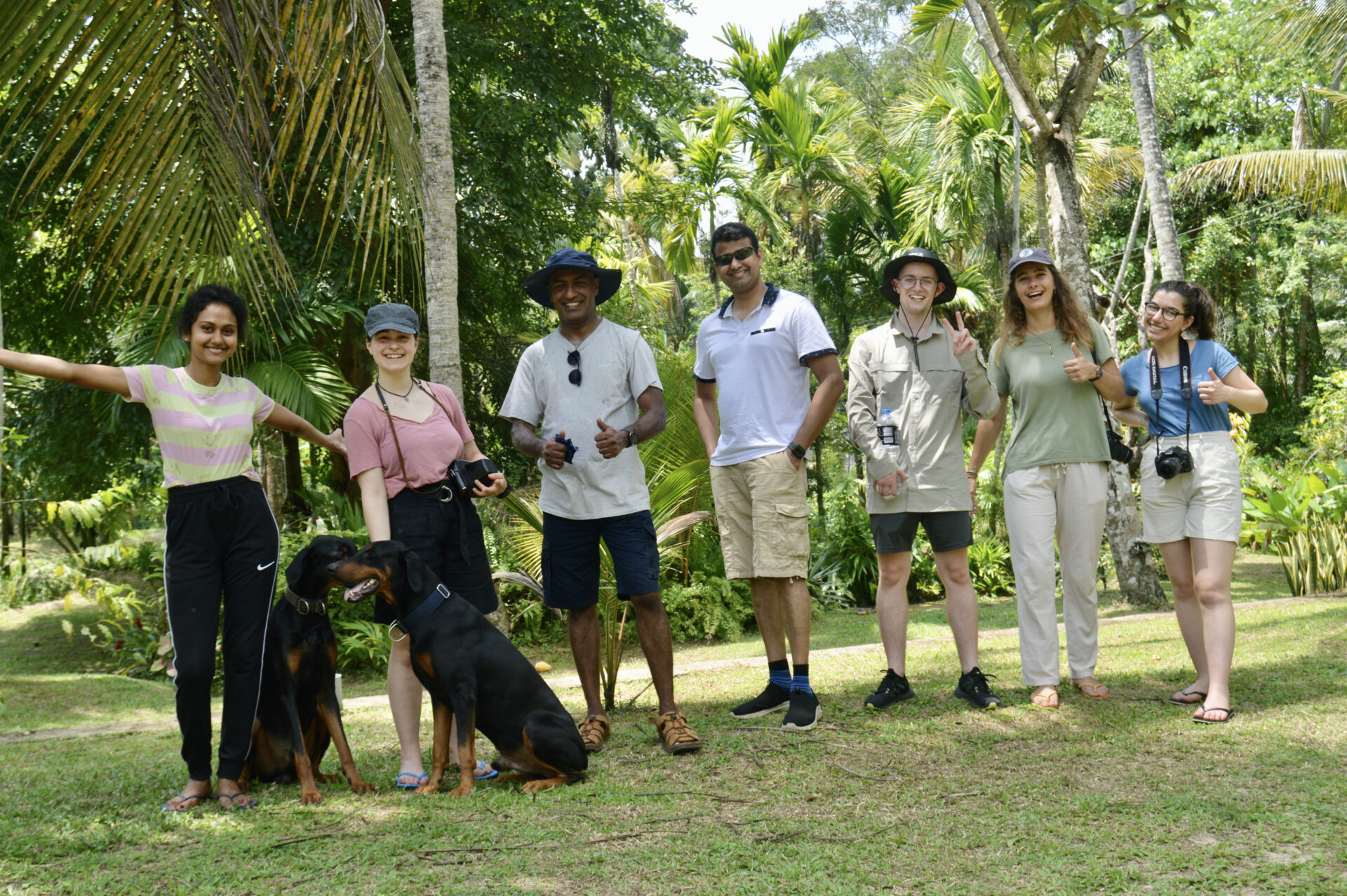
By the early twenty-first century, the garden had become more than a productive landscape. It had become a place where people naturally slowed down, rested, and reconnected with themselves and the natural world. This inspired a deeper question: what if the garden could help heal not only the land, but also the people who visit it?
The idea behind Luminosium emerged from a simple belief. After four industrial revolutions, both people and nature are exhausted. Modern life has brought extraordinary progress, yet it has also created stress, disconnection, ecological decline, and a growing loss of balance. Healing and restoration are no longer luxuries. They have become essential needs for individuals, communities, and the planet itself.
Across history, every culture has developed its own ways of healing, renewal, and human flourishing. Luminosium seeks to learn from this wisdom by bringing together the best of nature, culture, hospitality, and human creativity. The aim is not merely to provide accommodation, but to craft meaningful experiences that help restore clarity, connection, wellbeing, and a sense of belonging.
Rooted in the ecological wisdom of traditional forest gardens and shaped by contemporary understanding of health and wellbeing, Luminosium represents a new chapter in the garden’s evolution. It is both a sanctuary and an experiment: a place where nature and people can recover together, and where hospitality becomes a pathway to regeneration rather than consumption.
Today, every guest who enters the garden becomes part of that vision. Not simply to visit a place, but to experience a slower rhythm of life, reconnect with what matters, and discover how healing people and healing nature can begin with the same journey.
The Vision
Ahead
Become Part of the Journey of
Healing and Renewal
Luminosium is more than a destination. It is the result of generations of imagination, resilience, and stewardship. From its wartime past to its future as a place of healing and regeneration, every chapter has been shaped by people who believed a different relationship with nature was possible. Today, we invite you to become part of that story. Not as a spectator, but as a participant in a living landscape that continues to evolve with every season and every visitor.